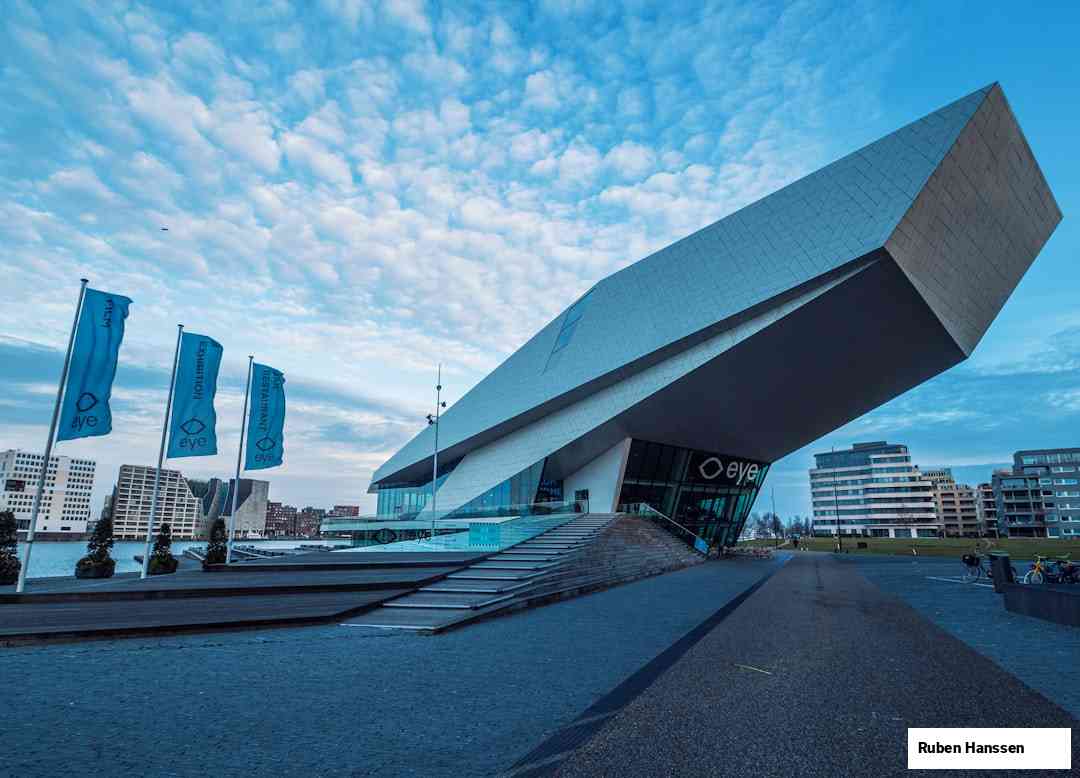
Museums Reimagined: Beyond the Glass Case
"Remember when museums were just hushed halls and glass cases? In a digital world, they’re becoming interactive playgrounds. Ready to explore how tech is reshaping your cultural experience?"
Imagine walking into a museum where the walls come alive, stories call out from every corner, and history invites you to dive in—not just look around. How will these cultural hubs adapt to flourish in our digital age? As technology reshapes how we engage with art and history, the future of museums relies on creativity and connection.
The Renaissance of Museums
Welcome to the new era of museums—where pixels meet paintings and virtual tours take center stage. In a time when screens capture so much of our attention, these cultural havens are embracing technology, evolving into vibrant spaces that offer more than just displays of artifacts. It’s a cultural reboot: museums are no longer just places to view the past; they’re interactive experiences that encourage us to engage, explore, and learn.
Yet, this transformation comes with its own set of challenges. As traditional visitors age and younger generations crave instant gratification, museums must find the right balance between preserving history and staying relevant. From augmented reality exhibits that bring ancient civilizations to life to AI-driven guides that tailor our journeys through time, the opportunities are vast. But the question remains: will these innovations deepen our connection to culture, or will they dilute what makes museums unique? Get ready, as we dive into how technology is reshaping the museum experience—one innovative idea at a time.

Redefining Museum Experiences Through Technology
The Shift to Interactivity
Interactivity has become essential in shaping modern museum experiences. Today’s visitors want to engage actively rather than just observe, and museums are rising to the occasion by integrating interactive displays. Hammer & Anvil VR has led the way with immersive films that let participants step into the narrative, creating stronger connections with the material.
Museums around the globe are adopting various interactive technologies to enrich learning experiences. Here are a few noteworthy examples:
- Touch Screens: Many museums are using touch screens that allow visitors to dig deeper into exhibits, access additional media, or even simulate historical events.
- Interactive Projections: Some venues utilize floor projections that respond to visitor movements, crafting a lively and engaging atmosphere.
- Gamification: By adding game-like elements, museums motivate visitors to tackle challenges related to the exhibits, making the learning process enjoyable and memorable.
These innovations are transforming museums from mere observation spaces into interactive platforms that engage audiences actively.
Augmented Reality and Virtual Reality
Augmented Reality (AR) and Virtual Reality (VR) are changing how visitors experience museum exhibits. AR enhances physical displays by overlaying digital information onto the real world, providing a richer understanding of artifacts and their contexts. For example, a historical artifact can be paired with AR overlays that offer context, animations, or reconstructions.
VR takes immersion even further. Hammer & Anvil VR's ‘Unearthing’ experience transports visitors back to prehistoric times, allowing them to explore ancient landscapes and interact with digital recreations of early human life. This immersive setting enables visitors to not just observe but to experience history firsthand.
Several museums have effectively integrated AR and VR technology:
- Smithsonian National Museum of Natural History: Their AR app lets visitors explore dinosaur skeletons and see them come to life as they would have millions of years ago.
- The British Museum: Offers VR experiences that allow users to walk through ancient civilizations, interacting with historical figures and events.
- Museum of Modern Art (MoMA): Hosts VR installations that let visitors step inside famous works of art, giving a unique, interactive perspective on visual culture.
These technologies enhance learning, making history more accessible and engaging.
Digital Storytelling
Technology has transformed storytelling within museums, allowing for deeper narratives that captivate visitors. By using audio, video, and interactive text, museums can craft multi-layered stories that resonate emotionally. Hammer & Anvil VR exemplifies this through their skillful storytelling techniques that blend visual and auditory elements seamlessly.
Apps and multimedia guides are becoming popular for creating personalized experiences. Visitors can choose their own paths through exhibits, accessing content that aligns with their interests. This tailored approach fosters a stronger connection to the material.
Some compelling storytelling techniques include:
- Narrative Audio Guides: These guides bring exhibits to life with stories narrated by experts or even fictional characters relevant to the artifacts.
- Video Installations: Short films displayed alongside exhibits can provide historical context or showcase the creation process behind artworks.
- Interactive Story Maps: Digital maps allow visitors to explore significant locations related to the exhibits, enhancing their understanding of geographical and historical contexts.
These storytelling innovations create emotional connections, making the museum experience memorable and impactful.
Community and Social Engagement
Museums have evolved into community hubs that connect with audiences through technology. Social media plays a crucial role in engaging visitors, sharing stories, and promoting events. Interactive platforms facilitate dialogue and feedback, fostering a sense of belonging among community members.
The COVID-19 pandemic sped up the adoption of virtual tours and online exhibits, making cultural experiences accessible to a wider audience. Museums that may have once been limited by geography can now reach individuals who might never visit in person.
Initiatives that invite visitor feedback to shape exhibits are also gaining traction. By seeking opinions and ideas from the public, museums encourage a sense of ownership and community involvement. Examples include:
- Collaborative Exhibit Design: Local artists and community members contribute to the curation process.
- Visitor-Driven Content: Online platforms allow audiences to vote on future exhibits they'd like to see.
This level of engagement not only enriches the museum experience but also fosters a community around shared cultural interests. As technology continues to advance, so will the ways museums connect with and serve their audiences.

Embracing the Future of Cultural Engagement
As we've seen, technology is more than just a tool for museums; it’s essential. Interactive displays draw visitors into history, while digital storytelling forges emotional connections. Museums like those using Hammer & Anvil VR are at the forefront, showing that staying innovative is crucial for relevance. The combination of AR and VR offers experiences that engage, educate, and excite audiences in ways we’ve never seen before.
So, what lies ahead? Museums need to fully embrace this digital shift. It's important not only to adopt new technologies but also to promote community involvement and inclusivity. As you think about your local museums, consider visiting those leading the way in these advancements. Your support can drive further innovation, ensuring these cultural treasures continue to thrive and inspire future generations. After all, history is best experienced, not just observed.
Embrace the Future of Museums
Don’t miss the exciting changes happening in our museums! Dive into the evolution of culture and history—click here to discover innovative exhibits near you!
